Table of contents
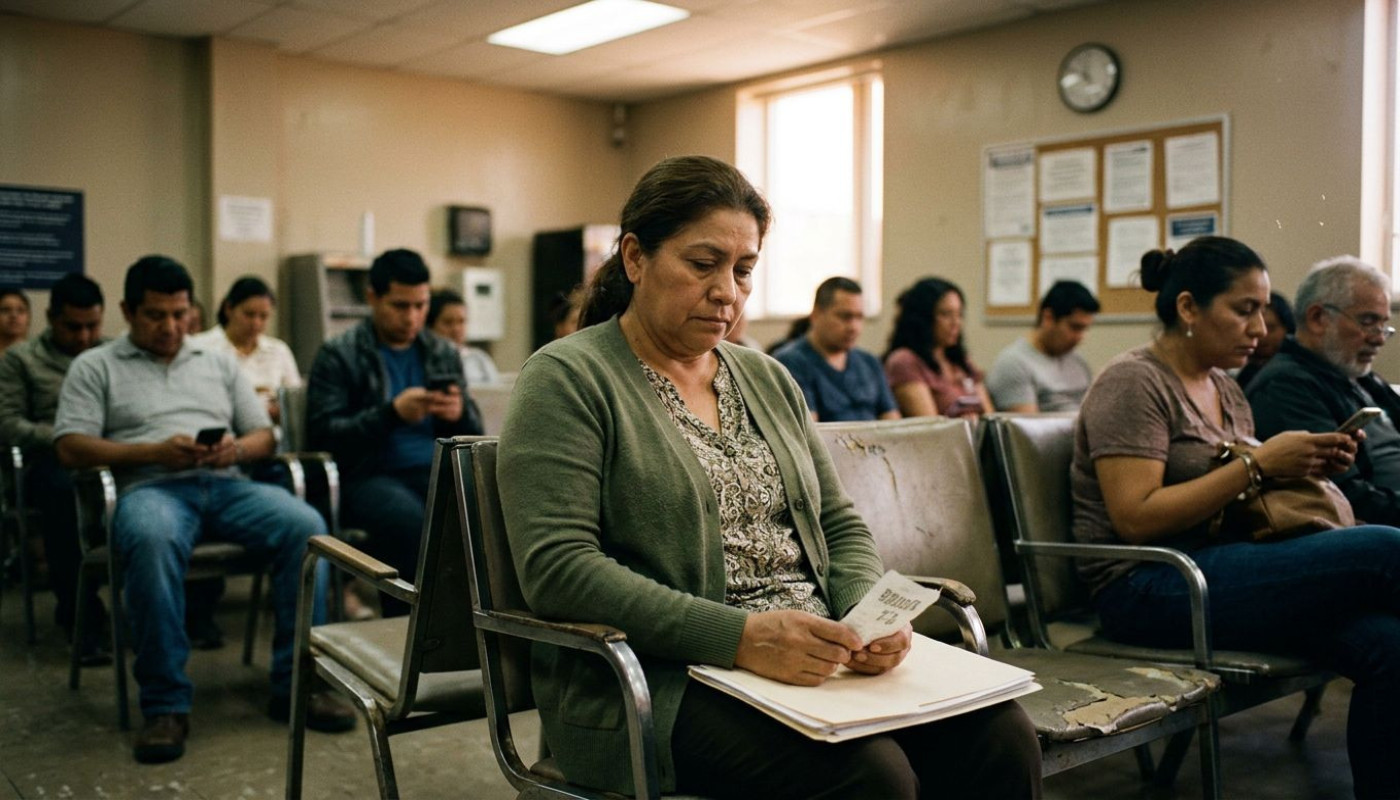
Waiting is usually framed as a bureaucratic nuisance, but for new citizens it can quietly become a financial and psychological drain, stretching from postponed travel and job starts to family separation and missed school deadlines. As immigration backlogs persist across major destinations, applicants increasingly describe a second, less visible price tag: the cost of being “almost” legally settled. Airline fares rise while documents sit in queues, housing plans freeze, and employers hesitate. The result is a diffuse burden that rarely shows up in official statistics, yet shapes real lives day by day.
When a file stalls, life follows
What does a delay really cost? In practice, administrative waiting often turns ordinary milestones into moving targets, and each shift ripples across budgets and choices. A work authorization that arrives months late can mean lost wages, but also lost momentum, because employers do not always hold roles indefinitely, and some industries operate on seasonal hiring cycles. Even when applicants remain employed, uncertainty can reduce hours, block promotions, or prevent travel for professional training, with knock-on effects that compound over time.
Families experience the lag as a logistical squeeze. A postponed status decision can delay spousal reunification, or keep a parent from traveling to care for relatives abroad, and the workaround costs are rarely trivial. Last-minute tickets typically price higher, temporary childcare fills gaps at premium rates, and legal consultations become recurring expenses when timelines drift. Add the paperwork itself, translation and notarization fees, document re-issuance when validity periods lapse, and repeated medical exams in some procedures, and “waiting” starts to look like a recurring line item rather than a passive inconvenience.
The housing market amplifies this pressure. Landlords may ask for stable documentation, employers may require proof of status for certain benefits, and banks can apply stricter compliance checks, which leaves many newcomers paying more for less security. Short-term rentals, extended hotel stays, storage units, and the cost of maintaining two households during transitions can quickly exceed what applicants originally budgeted. A delay that looks modest on paper, four weeks here, eight weeks there, can translate into months of extra rent and deposits, simply because life cannot always pause alongside an application.
There is also a less visible productivity tax. Time spent chasing updates, re-uploading forms, finding new appointment slots, and sitting on hold adds up, and it does so unevenly: applicants with flexible jobs and digital literacy can navigate systems more efficiently, while those working hourly shifts or lacking reliable internet pay with forgone income. The administrative load becomes a form of inequality in itself, one that shifts costs toward those least able to absorb them.
Numbers rarely capture the hidden bill
Official fees are only the start. Government schedules and published price lists tend to count what agencies charge, not what applicants spend around the edges to keep their lives functional, and this gap matters because it shapes decision-making. A person may plan for a known filing fee, yet underestimate the cumulative cost of compliance: renewing expiring documents, couriering original papers, traveling to distant consulates, paying for accredited translations, or hiring professional help to avoid mistakes that trigger resets.
Travel is a particularly sharp example of “silent inflation.” When status is pending, many people avoid booking flights, and when approval finally arrives, they buy whatever is left, often at peak prices. If an applicant must maintain the option to travel on short notice, refundable tickets and flexible fares cost more upfront. The same logic applies to schooling and childcare, where deadlines are fixed but paperwork is not; families may pay deposits to secure a place they might not be able to use, or they may accept costlier alternatives because the preferred option requires a document that has not yet arrived.
Legal and advisory costs vary widely, but uncertainty tends to push people toward paid guidance, especially in high-stakes situations such as employment-based processes or family reunification. Even when applicants do not retain a lawyer, they may pay for document checks, certified copies, or independent advice after receiving confusing notices. Systems designed to be self-serve can still impose costs through complexity, because the price of a minor error is not only a correction fee, it can be months of additional waiting.
In citizenship-by-investment contexts, the arithmetic becomes more explicit, yet the same dynamic applies: applicants must distinguish between headline figures and the full, itemized cost over time, including due diligence, agent fees, administrative charges, passport fees, and sometimes donations or investment-related expenses. For readers trying to understand how such totals are built, and what categories typically appear in the final invoice, a detailed breakdown like vanuatu citizenship cost 2026 all fees explained illustrates how “the price” can mean several layers of fees rather than a single number.
Stress, status, and the mental weight
Paperwork does not feel neutral. The mental load of administrative uncertainty is its own burden, one that can shape health, relationships, and decision-making long before any formal outcome arrives. Applicants often describe living in a permanent provisional state, unable to commit to career moves, uncertain whether they should renew leases, hesitant to buy cars, and reluctant to plan family events. This kind of suspended planning creates chronic stress, because it turns everyday decisions into risk calculations with incomplete information.
Healthcare access can be a flashpoint. In some systems, eligibility hinges on status, or on the type of documentation an applicant holds while waiting, and even when emergency care is available, routine care can become harder to navigate. Delays can also affect insurance coverage, or the ability to register with primary care providers, which pushes people toward more expensive, less continuous options. For parents, the anxiety multiplies when children’s schooling, travel permissions, or access to services depends on a document that sits in an unseen queue.
The social impact is just as real. Uncertainty can limit travel for weddings and funerals, and it can strain relationships when families remain separated or when plans repeatedly change. Some newcomers withdraw from community life because they feel unsettled, or because they fear making commitments they might not be able to keep. In workplaces, prolonged uncertainty can foster stigma, especially when an employee must repeatedly explain why a document has not arrived, even though the process is out of their control.
This is where administrative waiting becomes more than an inconvenience, it becomes a form of friction that shapes integration. People integrate through stable routines: steady jobs, predictable school schedules, reliable healthcare, and the confidence to invest in their communities. When the timeline is unclear, integration slows, not because applicants lack motivation, but because the system makes long-term planning feel unsafe.
What newcomers can do while waiting
Control is limited, but preparation helps. Applicants can reduce the risk of costly resets by building a rigorous document calendar, tracking expiry dates for passports, police certificates, and medicals where relevant, and keeping certified copies ready so that re-requests do not trigger a scramble. When a process involves multiple agencies, it is worth confirming which office is responsible for each step, because misdirected follow-ups waste time and can lead to duplicated fees.
Budgeting should assume delays. A practical approach is to separate “official fees” from “life-in-limbo costs,” and to plan a buffer that covers at least two extra months of housing, transport, and essential bills, plus a reserve for re-issuance of key documents. If travel is likely, applicants can monitor fares and consider flexible booking strategies, while avoiding non-refundable commitments tied to uncertain dates. For families, aligning school enrollment, childcare, and lease decisions with realistic timelines can reduce last-minute premium spending.
Communication also matters. Employers, landlords, and schools often respond better to clear, timely updates than to silence; providing receipts, reference numbers, and realistic ranges can prevent relationships from fraying under uncertainty. When professional advice is needed, it pays to ask for itemized quotes and to clarify what is included, because “application support” can mean very different levels of service. Finally, applicants should keep meticulous records of all submissions and correspondence, because well-organized documentation can speed up responses when agencies request clarifications.
None of this eliminates waiting, but it can limit how much waiting costs. The core idea is to treat the timeline as variable, protect yourself against expiry-driven rework, and avoid financial decisions that assume the best-case scenario. In a system where processing times can shift without warning, resilience often looks like boring planning, and boring planning can be the difference between a delay that is frustrating and a delay that is financially destabilizing.
Planning the next steps, without overpaying
Before you book travel or sign a long lease, build a buffer into your timeline and your budget, and keep funds available for renewals, translations, and document re-issuance. Ask agencies and advisers for itemized fees, and track expiry dates in a single calendar. Where local programs exist, check eligibility for legal aid or fee waivers.
Similar articles

How Does Obtaining An LEI Boost Your Business Compliance?

Exploring The Benefits Of Zero Tax International Companies?

How Legal Entity Identifiers Boost Business Transparency?

The Economic Benefits Of All-Inclusive Surf Retreats For Coastal Communities

The world of online betting: a look at SBObet
